Free Estimate | Same day Service
FAQ
Damaged spring or crooked panel? Garage Door Beaumont CA offers professional service. Call our local experts today for a no-cost estimate! Unlock Savings Today.




FAQ
Garage Door Panel Repair FAQs
Need Garage Door Panel Repair?
Have a dented, cracked, bent, or damaged garage door panel? Garage Door Beaumont CA can help assess the affected section, evaluate the condition of the remaining door, and discuss suitable repair or replacement options. Contact our team to request a free estimate.
951-257-8920Yes. A single garage door panel can often be repaired or replaced if the damage is limited and the remaining door sections are in good condition. The right solution depends on the severity of the dent, crack, or bend and whether a compatible replacement panel is available. Garage Door Beaumont CA can assess the damage and discuss suitable options for your door.
The cost of garage door panel repair in Beaumont, CA, depends on the panel material, the extent of the damage, and whether the section can be repaired or needs complete replacement. Additional damage to hinges, tracks, or other connected hardware may increase the total cost. Garage Door Beaumont CA can assess the affected area and provide a free estimate based on the recommended work and replacement parts.
Not necessarily. Replacing one panel may be more practical when the rest of the door is structurally sound and a compatible replacement section is available. However, extensive damage, multiple damaged panels, or an aging door may make full replacement a better long-term investment. Garage Door Beaumont CA can evaluate the overall condition of the door and help you compare panel replacement with replacing the complete door.
Minor cosmetic dents may not affect operation, but deep cracks, severe bends, or separated panel joints can weaken the door and interfere with its movement. If the door moves unevenly, catches in the tracks, or causes the opener to strain, stop operating it and arrange a professional inspection. Garage Door Beaumont CA can assess the damaged panel and related components to determine what repairs may be needed before the door is used again.
Common warning signs include grinding or rattling noises, slow or uneven movement, a door that becomes difficult to lift, visible cable damage, loose hardware, worn rollers, track problems, or an opener that struggles to move the door. These symptoms can indicate worn or damaged components. A professional inspection can help identify the cause and determine which repairs are appropriate.
Uneven movement can result from a broken or weakened spring, cable problems, damaged rollers, track misalignment, loose hinges, or an unbalanced door. Damaged panels may also interfere with smooth movement. Avoid forcing a door that appears crooked or becomes stuck. A professional inspection can identify where resistance or uneven loading begins.
Repair may be a reasonable option when the door structure remains sound and the problem is limited to specific components. Replacement may make more sense when multiple sections are damaged, deterioration is extensive, repeated repairs are needed, or the existing system no longer meets the property's requirements. Comparing the door's condition, repair needs, and expected remaining service life can help determine the most practical option.
Repair time depends on the cause of the problem, the door's configuration, and the parts required. Straightforward adjustments or minor hardware repairs may be completed during one visit, while damaged panels, springs, tracks, cables, or opener components may require additional work. The availability of compatible replacement parts can also affect the timeline.
Garage door installation costs depend on the door material, size, design, insulation level, hardware, opener requirements, and installation conditions. Removing an existing door or modifying the opening may add to the work involved. An assessment of the garage opening and supporting structure helps establish the installation requirements and provide an accurate estimate.
Many standard residential garage door installations can be completed within several hours when the opening and supporting structure are ready. The timeline may increase when the project involves custom dimensions, framing modifications, removal of an existing door, special insulation requirements, or additional hardware adjustments. The installation scope determines the expected completion time.
Consider the garage opening dimensions, available headroom and side clearance, door weight, insulation requirements, material, panel design, weather seals, and expected frequency of use. The home's architectural style and compatibility with the existing or planned opener also matter. Accurate measurements and an assessment of the installation area help narrow down suitable door options.
Not necessarily. An existing opener may remain suitable if its lifting capacity, mounting arrangement, travel limits, safety features, and compatibility match the new door. A heavier door, a change in configuration, or an aging opener may require replacement or adjustments. The opener and door should be evaluated together before making a decision.
Operating a door with a broken spring can be dangerous because the opener is not designed to carry the door's full weight on its own. Manually lifting the door may also place excessive strain on cables, rollers, tracks, and other hardware. Do not attempt to force the door open. Keep clear of the system and arrange a professional inspection before using it again.
When a door uses two springs of similar age and wear, replacing both may be appropriate if one fails. The remaining spring may be approaching the end of its service life, and mismatched springs can affect lifting performance. A technician should assess the spring configuration, door weight, and condition of the entire system before recommending individual or paired replacement.
Repeated spring failure can result from incorrect spring sizing, excessive door weight, poor door balance, frequent operating cycles, corrosion, or installation problems. Worn rollers and track issues may also affect how the door moves. Identifying the underlying cause is important because replacing a broken spring without correcting other problems may lead to further failures.
The cost of garage door spring repair in Beaumont, CA, depends on the spring type, door weight, spring configuration, replacement parts, and labor required. Additional damage to cables or other components may affect the total. An inspection can identify the spring system and the work needed so you can receive an estimate before authorizing repairs.
An opener may run without moving the door because of a disconnected trolley, worn drive gear, broken spring, or disengaged emergency release. Stop repeatedly activating the opener because continued operation may cause additional damage. A professional inspection can determine whether the fault is in the opener, door hardware, or lifting system.
Intermittent operation can be caused by weak remote batteries, radio interference, faulty wiring, misaligned safety sensors, or a failing opener component. Start with simple checks such as replacing the remote batteries and ensuring the sensor path is clear. If the problem continues, professional testing may be needed to identify the underlying fault.
Garage door opener repair costs in Beaumont, CA, depend on the failed component, opener model, parts availability, and labor required. Sensor adjustments may cost less than motor or circuit board repairs. An inspection can help determine whether repair is practical or replacement would be a better option. Request an estimate before authorizing the work.
Repair may be worthwhile when the opener has a limited fault and compatible replacement parts are available. Replacement may be more practical when the motor repeatedly fails, the circuit board is no longer available, safety features are outdated, or repair costs approach the cost of a new unit. The opener's age, condition, and compatibility with the door should guide the decision.
Stop operating the door and check for a power interruption, remote battery problems, or visible obstructions if it is safe to do so. Do not force the door open or closed. If it is stuck, crooked, unusually heavy, or has a visibly damaged spring or cable, keep clear and arrange a professional inspection to identify the cause.
Repair availability depends on scheduling, the nature of the problem, and whether the required parts are available. When contacting a garage door repair provider, explain whether the door is stuck open or closed and describe any visible damage. This information helps determine the appropriate next steps and service requirements.
A door may stop halfway because of a broken spring, cable problems, obstructed tracks, worn rollers, incorrect opener travel limits, or safety sensor issues. Avoid repeated operation if the door moves unevenly, makes unusual noises, or appears unstable. An inspection can determine whether the fault involves the door hardware, balance, or opener.
Many standard residential garage door installations take several hours, depending on the door design, opening condition, and whether the existing door and opener need removal. Custom configurations, structural modifications, or additional hardware work can extend the installation time. The project requirements determine the expected completion schedule.
Common warning signs include grinding noises, uneven movement, sagging or damaged panels, slow operation, gaps beneath the door, and unexpected reversing. A door that feels unusually heavy or has a visibly broken spring should not be operated until inspected. Addressing problems early can help prevent additional damage to related components.
An annual professional inspection is a useful maintenance schedule for many households. Doors used frequently or showing signs of wear may need attention sooner. Maintenance commonly includes checking balance, springs, cables, rollers, tracks, hardware, weather seals, and opener safety features. Follow the manufacturer's maintenance recommendations for your particular door system.
Yes, in some cases. Panel replacement depends on the door model, replacement panel availability, the extent of damage, and the condition of the surrounding sections. The door's alignment and structural integrity should also be checked. A compatible replacement panel may be a practical solution when the rest of the door remains in good condition.
Maintenance frequency depends on daily operating cycles, door type, environmental exposure, and manufacturer recommendations. High-use warehouse and loading-area doors may require more frequent inspections than doors used occasionally. Routine checks can help identify component wear before it leads to unexpected operating problems or interruptions.
Common causes include worn springs, damaged cables, misaligned tracks, deteriorated rollers, opener faults, incorrect travel limits, and malfunctioning safety devices. A proper diagnosis examines the door and opener together to identify the underlying cause rather than replacing parts based only on symptoms.
Insulated commercial doors can help limit heat transfer, support indoor temperature control, and reduce outside noise. They may be useful for climate-sensitive storage, workshops, and facilities with conditioned interiors. The appropriate insulation level depends on building use, door construction, weather sealing, and temperature control requirements.
Businesses should evaluate opening dimensions, headroom, side clearance, door weight, operating frequency, security requirements, insulation, and opener capacity. Warehouse and loading-area projects may also need to account for access requirements and daily workflow. Evaluating these factors helps determine which commercial door system is appropriate for the property.
Persistent grinding, rattling, or squeaking may indicate worn rollers, loose hardware, track misalignment, door imbalance, or an opener problem. Lubrication will not correct these underlying faults. A technician can inspect the moving components and identify the source of the noise before recommending repairs.
Heat, dust, and changing temperatures can contribute to dried lubricant, weather seal deterioration, and wear on exposed components. Maintenance should include checking accessible hardware, seal condition, and door operation. Cleaning and applying the appropriate lubricant to manufacturer-approved components can help maintain smooth movement.
Homeowners can perform basic visual checks, remove loose dirt from accessible areas, and test opener safety features according to the manufacturer's instructions. Spring adjustments, cable repairs, and work on other tension-loaded components should be left to trained professionals because these parts can cause serious injuries if handled incorrectly.
Schedule maintenance if the door has not been inspected within the recommended interval, operates unevenly, becomes unusually noisy, or moves more slowly than normal. A door that suddenly feels heavy, has a visibly frayed cable, or appears off track should not be operated until it has been assessed by a professional. Addressing warning signs early can help prevent further damage.
Some basic visual inspections and maintenance tasks can be handled by homeowners, but replacing hardware connected to lifting cables, springs, or bottom brackets can be dangerous. These components may be under substantial tension. Professional service is recommended for damaged cables, drums, bearings, and tension-loaded brackets. Stop operating the door if it becomes unstable or its cables appear displaced.
Cable drums guide and wind the lifting cables as a garage door moves, helping both sides lift in coordination. Bearings support rotating shafts and help them turn smoothly. Worn bearings, damaged drum grooves, or improperly seated cables can contribute to unusual noise and uneven movement. Because these components are connected to tension-loaded lifting systems, inspection and repairs should be handled by a qualified professional.
Replacing an individual roller may be appropriate when the remaining rollers are in good condition and the new part is compatible with the door. If several rollers show similar wear, replacing a set may provide more consistent movement. A technician should also inspect the hinges and tracks for related damage that may have contributed to premature roller wear.
Garage door hardware repair costs depend on the affected components, the door's size and weight, replacement part compatibility, and the labor required. Replacing a few worn rollers may cost less than correcting damaged tracks or repairing cables, drums, or bearings. Garage Door Beaumont CA can assess the problem and provide a free estimate outlining the recommended work.
About Us
Trusted Garage Door Experts Serving Beaumont, CA
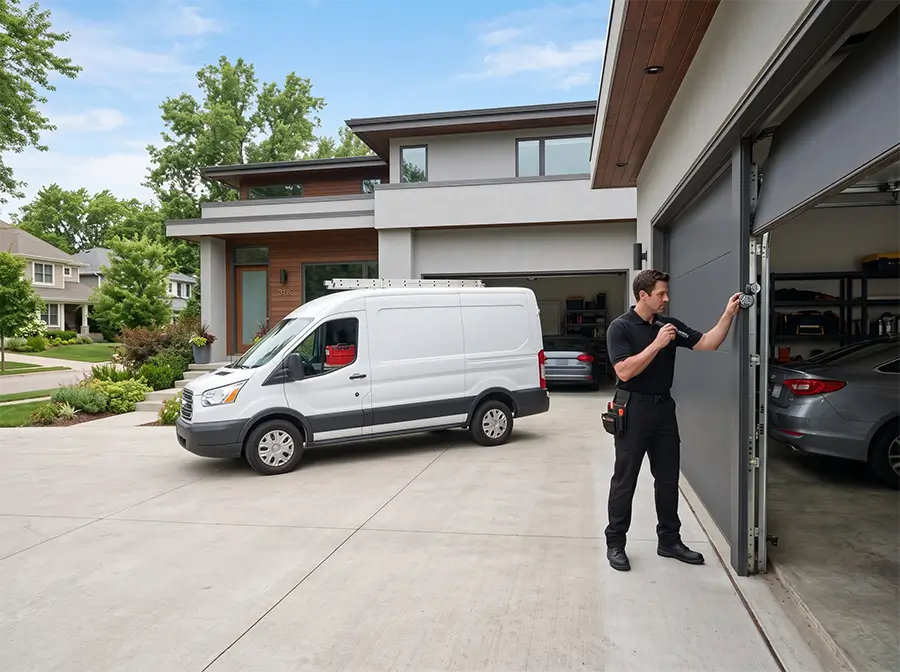
Garage Door Beaumont CA delivers fast, professional garage door repair, spring replacement, opener service and full installations for homes and businesses. Our local technicians show up on time, explain the work clearly, and stand behind every job with honest pricing.
- Same-day & 24/7 emergency garage door repair
- Licensed technicians for springs, cables & openers
- Residential & commercial garage door specialists
- Upfront pricing — no surprise fees after the visit
Limited Time Specials
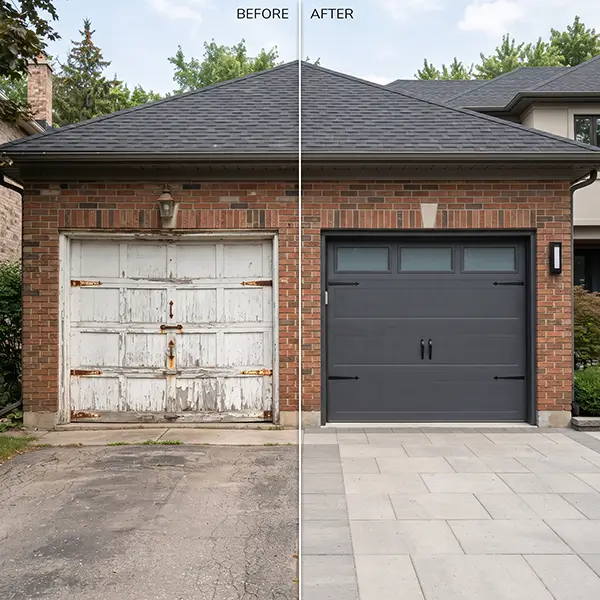
Current Garage Door Offers
Click any card to view your coupon and claim the discount.
Our Process
Our Simple 3-Step Process
Request Service or Call Us
Contact us by phone or fill out our quick form. Tell us your garage door issue, and our team will schedule a convenient time for your service.
Inspection & Free Estimate
Our expert technician arrives on time, inspects the problem, and provides a clear, upfront estimate with no hidden fees before starting any work.
Fast Repair on the Spot
We fix the issue quickly using high-quality parts and proven techniques, ensuring your garage door is safe, smooth, and working like new.
Don’t let a broken garage door slow you down. Contact Garage Door Beaumont CA today, and our experts will handle everything—from diagnosis to repair—quickly.

Client Reviews
What Beaumont Homeowners Say
“Broken spring on a Sunday morning. Garage Door Beaumont CA showed up the same day, replaced it safely, and explained everything clearly. Fair price and no pressure.”
“Needed a new insulated door for our attached garage. The team measured carefully, showed options, and installed it in one day. Quiet, solid, and looks great.”
“Opener stopped working mid-week. They diagnosed it fast, replaced the unit, and programmed the remotes on the spot. Professional and honest service.”
Service Areas
Garage Door Service Across Beaumont & Nearby Communities
Garage Door Beaumont CA proudly serves Beaumont, CA 92223 and surrounding ZIP codes including 92220, 92399, 92582, 92583, 92543, 92544, 92545, 92551, 92553, 92555, 92373, 92374, 92570, 92571, 92354, 92346, 92585, 92586, 92313, 92324, 92404, 92405, 92407, 92408 and 92315 with fast garage door repair, spring replacement, opener service and installation.
Cities We Serve
- Beaumont
- Banning
- Yucaipa
- San Jacinto
- Hemet
- East Hemet
- Moreno Valley
- Redlands
- Perris
- Loma Linda
- Highland
- Sun City
- Grand Terrace
- Colton
- San Bernardino
- Big Bear Lake
Request Service
Book Your Garage Door Service in Beaumont, CA
Tell us about the issue and your preferred time. Our team will confirm your appointment and arrive ready to help.
- Same-day & emergency availability
- Upfront pricing before any work begins
- Licensed technicians for springs, openers & more
6:00 AM – 11:00 PM | 24 Mobile Service